
How to Build a Healthier Routine This Year Without Overdoing It
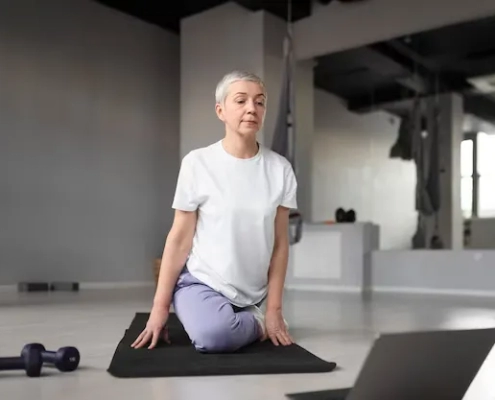 Starting a new routine should feel helpful, not stressful. Many people try to change too much at once. That often leads to sore muscles, burnout, or quitting early. A healthier routine works best when it feels simple and steady. Small steps add up over time. This guide shows how to care for your body, stay active, and avoid pain while building habits that last.
Article Summary
- Start Small and Stay Consistent
- Set Goals That Match Your Real Life
- Use Movement to Support Your Spine
- Do Not Skip Rest and Recovery
- Add Stretching Without Overdoing It
- Build Healthy Habits at Work and Home
- Listen to Your Body and Watch for Pain
- Build Support Into Your Routine
- Keep Your Routine Simple and Flexible
1. Start Small and Stay Consistent
Big changes feel exciting, but they are hard to keep. A healthier routine starts with small actions you can repeat each day. That might mean a short walk, light stretching, or better posture at your desk.
Consistency matters more than effort. Ten minutes every day helps more than one long workout a week. When habits feel easy, you are more likely to stick with them. Over time, those small habits turn into real results.
Think about what you already do each day. Attach new habits to those moments. Stretch after brushing your teeth. Walk after dinner. Stand up and move every hour at work. These small choices reduce stress on your body and make healthy habits feel normal.
2. Set Goals That Match Your Real Life
Your routine should fit your schedule, not fight it. If you work long hours or care for a family, choose goals that feel realistic. Simple goals help you avoid stress and injury.
Try goals like:
- Walk after dinner three nights a week
- Stretch for five minutes each morning
- Take short breaks to move during the workday
If a goal feels hard to keep, scale it back. Progress still counts, even when it is slow. A routine that fits your life is easier to maintain long term.
3. Use Movement to Support Your Spine
Movement keeps joints loose and muscles strong. It also helps your spine stay balanced. You do not need intense workouts to feel better. Gentle movement works well for most people.
Walking, stretching, and light strength exercises support your back and neck. These habits can reduce stiffness and help prevent pain. If you spend a lot of time sitting, focus on posture and frequent breaks. Helpful tips can be found in our guide on posture habits that help avoid back pain.
Simple movement also improves blood flow and energy. Many people notice they feel less tired during the day once they move more often.
4. Do Not Skip Rest and Recovery
Rest is part of a healthy routine. Your body needs time to recover after activity. Without rest, small aches can turn into bigger problems.
Sleep helps muscles heal and supports your immune system. Hydration keeps joints moving smoothly. Light stretching on rest days helps reduce stiffness. These habits protect your body and make it easier to stay active.
Rest does not mean doing nothing. It means choosing activities that help your body recover. Gentle walks, deep breathing, and stretching all count as recovery.
5. Add Stretching Without Overdoing It
Stretching helps keep muscles flexible and joints moving well. It should feel gentle, not painful. Short daily stretching works better than long sessions done once in a while.
Focus on areas that feel tight, such as your neck, shoulders, hips, and lower back. Move slowly and breathe while stretching. This helps muscles relax and reduces strain. Our article on reasons to stretch every day explains how daily stretching supports overall wellness.
Avoid bouncing or forcing a stretch. Stretching should help you feel better, not sore.
6. Build Healthy Habits at Work and Home
Many aches come from daily habits, not workouts. Sitting too long, looking down at screens, or lifting the wrong way can all stress your spine.
At work, adjust your chair and screen so you sit upright. Keep your feet flat on the floor. Take short breaks to stand and move. At home, pay attention to how you sleep and lift objects. Small changes protect your back and neck throughout the day.
These simple adjustments help support your routine without adding extra time or effort.
7. Listen to Your Body and Watch for Pain
Pain is a signal. It tells you something needs attention. Mild soreness after activity is normal, but sharp or lasting pain is not.
If pain does not improve, or if it limits your movement, do not ignore it. Early care helps prevent long-term problems. This resource on when to worry about back pain explains signs that should not be ignored.
Many people search for a chiropractor near me when pain starts to affect work, sleep, or daily tasks. Paying attention early often leads to better outcomes.
8. Build Support Into Your Routine
 Support makes healthy habits easier to keep. That support can come from family, friends, or professionals who help guide your care. Having someone check your progress helps you stay consistent.
People looking for a Wauwatosa chiropractor often want help staying active without pain. Chiropractic care can support posture, movement, and spine health as part of a long-term routine. Regular check-ins help keep your body moving the right way as habits change.
9. Keep Your Routine Simple and Flexible
Life changes, and routines should adjust with it. Travel, busy weeks, and stress happen. Missing a day does not mean you failed. Start again the next day.
A flexible routine reduces pressure and helps you stay motivated. Focus on how your body feels, not on strict rules. When your routine supports your life, it becomes easier to maintain.
10. When Extra Help Can Make a Difference
Sometimes even the best routine needs extra support. If you feel sore more often, notice stiffness that does not improve, or feel unsure about how to move safely, getting help can prevent small issues from turning into lasting problems. Extra care is especially helpful when you start new activities or increase your movement after a long break.
Many people search for a chiropractor near me when pain begins to affect work, exercise, or daily comfort. Chiropractic care can help restore proper movement, reduce joint stress, and support the spine as your routine changes.
Reaching out to the team at Kennedy Chiropractic Center is a simple step toward feeling better and staying active. Our Wauwatosa chiropractors help patients move with less pain, improve posture, and protect their spine as part of a healthy routine. If you are searching for a chiropractor near me and live in the Wauwatosa, Brookfield, Milwaukee or Elm Grove area, schedule a visit with Kennedy Chiropractic today so we can help you stay consistent, comfortable, and confident all year long.

By Dr. Corinne Kennedy, Owner of Kennedy Chiropractic
Dr. Corinne Kennedy of Kennedy Chiropractic Center in Wauwatosa specializes in providing high-quality chiropractic care to people of all ages. With a focus on healing and holistic health, she takes the time to get to know each person’s needs and designs courses of treatments that are unique to each individual. Dr. Kennedy helps patients with back and neck pain, pregnancy and postnatal care, whiplash treatment, sports injuries, and more. With 30+ years of experience as a doctor of chiropractic, Dr. Kennedy takes pride in giving each patient the personalized care they deserve.